2050 forecasts,
minus the hype.
What will really happen by 2050? We collect what the institutions (IPCC, UN, NASA, IEA, BNEF, PwC) actually project across climate, AI, energy, population, space, longevity and the economy, rate how confident each one is, and separate the facts from the science fiction.
Open the 2050 TimelineBy 2050, expect roughly 9.7 billion people, warming most likely 1.6–2.0°C above pre-industrial, renewables supplying most new electricity, and India as the most populous country — with a global space economy near USD 1.8 trillion by 2035. Every forecast here is tagged by source, scenario and confidence.
The seven areas that will shape 2050
Each forecast is tagged by source, scenario and confidence. Open an area for the full outlook.
 Climate
 Peak warming lands near 1.81°C
BNEF NEO 2026 finds the 1.5°C path is no longer considered feasible. IPCC SSP1-1.9 still gives a 0.15 to 0.23 m sea level rise by 2050.
Read the Climate outlook AI
AI 300 million jobs exposed to AI
Goldman Sachs estimates the equivalent of about 300 million full-time jobs are exposed to automation. No academic consensus on AGI by 2050.
Read the AI outlook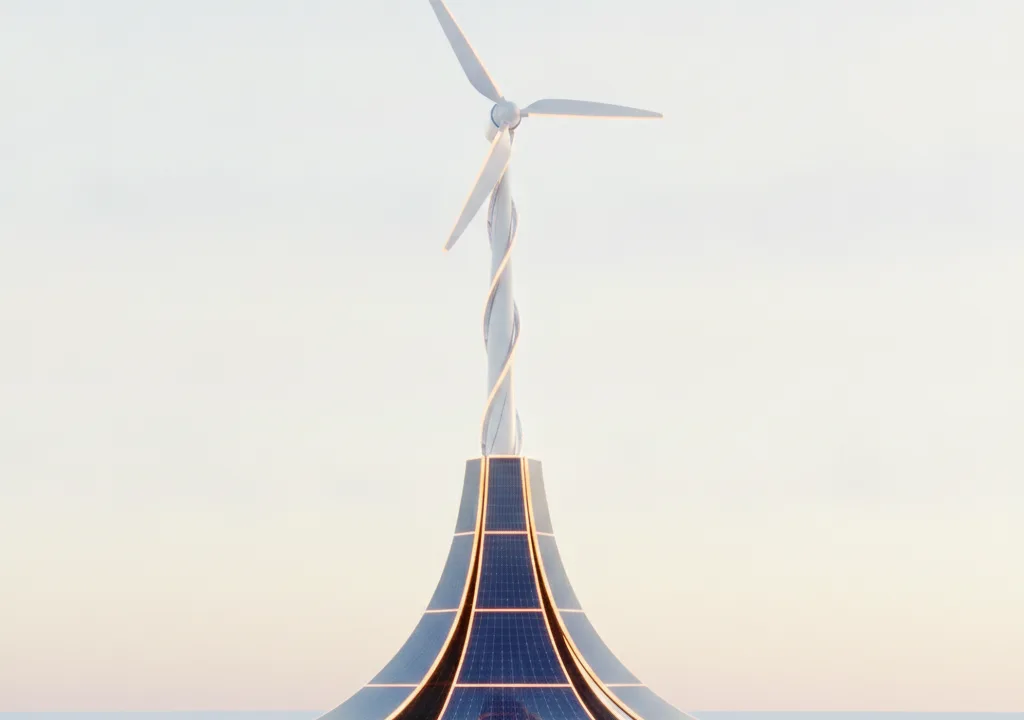 Energy
 Renewables reach about 90%
IEA Net Zero: roughly 90% renewable electricity in 2050. BNEF expects solar to become the largest source around 2032.
Read the Energy outlook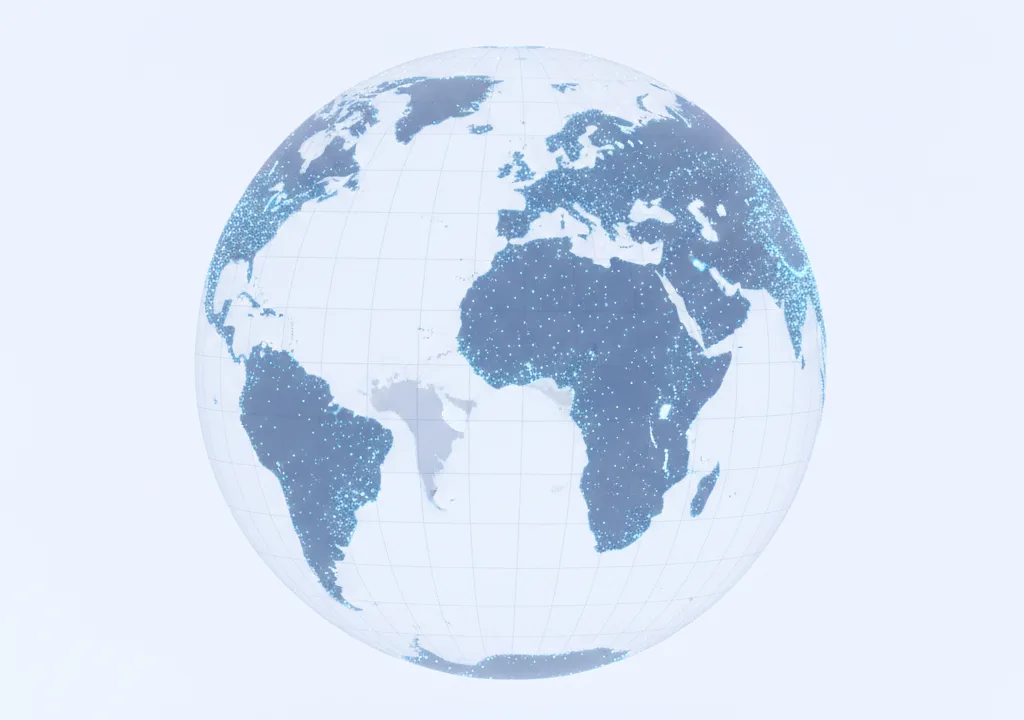 Population
 About 9.7 billion people
UN WPP 2024: peaking near 10.3 billion in the mid-2080s. People aged 60+ more than double to 2.1 billion.
Read the Population outlook Space
Space Artemis IV returns crew to the Moon
NASA targets a first crewed lunar landing of the new era in early 2028. A crewed Mars mission is not foreseen in the current roadmap.
Read the Space outlook Longevity
 Five more years of life expectancy
Lancet GBD projects about a 5-year gain in global life expectancy by 2050, with the largest gains in sub-Saharan Africa.
Read the Longevity outlook Economy
 China, India, then the USA
PwC ranks China #1, India #2, USA #3 by 2050 in PPP terms. The E7 emerging economies hold about half of global GDP.
Read the Economy outlookThree claims we mark as hype, with the source-absence reason.
Absent from WHO, IHME, NIH and Lancet GBD; sole spokesperson is Ray Kurzweil.
NASA's Moon-to-Mars architecture treats Mars as a horizon goal, with crewed missions targeted for late-2030s at earliest.
No academic consensus; Russell, LeCun, and others reject any certainty about AGI arrival before 2050.
The questions readers actually ask
What will the world look like in 2050?
On the record: about 9.7 billion people, average warming likely between 1.6 and 2.0°C above pre-industrial, renewables supplying most new electricity, India already the most populous country, and a global space economy of roughly USD 1.8T by 2035. The hard parts and the hype are inside each pillar.
Is 1.5°C still possible?
BNEF's 2026 New Energy Outlook says no: its Net Zero Scenario now implies peak warming of about 1.81°C. IPCC pathways keeping 1.5°C alive require emissions to fall about 35% by 2030, which the current trajectory misses.
How many jobs will AI replace by 2050?
Goldman Sachs (March 2023) estimates the equivalent of about 300 million full-time jobs are exposed to AI-driven automation globally. McKinsey projects USD 2.6T to 4.4T in annual productivity. Net job loss depends on how augmentation versus replacement plays out per sector.
When did India overtake China?
In April 2023, per UN DESA: 1.4286 billion (India) vs 1.4257 billion (China). UN WPP had projected the crossover around 2024.
Will humans live on Mars by 2050?
Not according to NASA's current Moon-to-Mars architecture. Mars is treated as a horizon goal beyond the late-2030s. Artemis IV (crewed Moon landing) is targeted for early 2028.
How long will people live by 2050?
IHME's GBD forecast (Lancet, May 2024) projects roughly a 5-year increase in global life expectancy by 2050, with the largest gains in sub-Saharan Africa. Claims of routine 150-year lifespans are not supported by any major institutional forecast.
What will the world's largest economies be in 2050?
PwC's "The World in 2050" projects China #1 (~USD 58.5T PPP), India #2 (~USD 44.1T), USA #3 (~USD 34.1T). E7 emerging economies are expected to hold roughly half of global GDP.
How does this hub rate confidence and on-track status?
See Methodology. Confidence is high when a finding is corroborated by at least two peer institutions, medium when one primary source supports it, low when sources disagree or the claim is extrapolated. On-track is set by comparing current trajectory data to the original target.